Search

  • Project
  • Resource
  • Project type

  • Region

  • Landscape type

  • Aichi Biodiversity Targets

    What does each Target means
    Target1
    Awareness increased
    Target2
    Biodiversity values integrated
    Target3
    Incentives reformed
    Target4
    Sustainable production and consumption
    Target5
    Habitat loss halved or reduced
    Target6
    Sustainable management of marine living resources
    Target7
    Sustainable agriculture, aquaculture and forestry
    Target8
    Pollution reduced
    Target9
    Invasive alien species prevented and controlled
    Target10
    Pressures on vulnerable ecosystems reduced
    Target11
    Protected areas increased and improved
    Target12
    Extinction prevented
    Target13
    Genetic diversity maintained
    Target14
    Ecosystems and essential services safeguarded
    Target15
    Ecosystems restored and resilience enhanced
    Target16
    Nagoya Protocol in force and operational
    Target17
    NBSAPs adopted as policy instrument
    Target18
    Traditional knowledge respected and integrated
    Target19
    Knowledge improved, shared and applied
    Target20
    Financial resources from all sources increased
  • Kunming-Montreal Global Biodiversity Framework Targets

    What does each Target means
    Target1
    Plan and Manage all Areas To Reduce Biodiversity Loss
    Target2
    Restore 30% of all Degraded Ecosystems
    Target3
    Conserve 30% of Land, Waters and Seas
    Target4
    Halt Species Extinction, Protect Genetic Diversity, and Manage Human-Wildlife Conflicts
    Target5
    Ensure Sustainable, Safe and Legal Harvesting and Trade of Wild Species
    Target6
    Reduce the Introduction of Invasive Alien Species by 50% and Minimize Their Impact
    Target7
    Reduce Pollution to Levels That Are Not Harmful to Biodiversity
    Target8
    Minimize the Impacts of Climate Change on Biodiversity and Build Resilience
    Target9
    Manage Wild Species Sustainably To Benefit People
    Target10
    Enhance Biodiversity and Sustainability in Agriculture, Aquaculture, Fisheries, and Forestry
    Target11
    Restore, Maintain and Enhance Nature’s Contributions to People
    Target12
    Enhance Green Spaces and Urban Planning for Human Well-Being and Biodiversity
    Target13
    Increase the Sharing of Benefits From Genetic Resources, Digital Sequence Information and Traditional Knowledge
    Target14
    Integrate Biodiversity in Decision-Making at Every Level
    Target15
    Businesses Assess, Disclose and Reduce Biodiversity-Related Risks and Negative Impacts
    Target16
    Enable Sustainable Consumption Choices To Reduce Waste and Overconsumption
    Target17
    Strengthen Biosafety and Distribute the Benefits of Biotechnology
    Target18
    Reduce Harmful Incentives by at Least $500 Billion per Year, and Scale Up Positive Incentives for Biodiversity
    Target19
    Mobilize $200 Billion per Year for Biodiversity From all Sources, Including $30 Billion Through International Finance
    Target20
    Strengthen Capacity-Building, Technology Transfer, and Scientific and Technical Cooperation for Biodiversity
    Target21
    Ensure That Knowledge Is Available and Accessible To Guide Biodiversity Action
    Target22
    Ensure Participation in Decision-Making and Access to Justice and Information Related to Biodiversity for all
    Target23
    Ensure Gender Equality and a Gender-Responsive Approach for Biodiversity Action
  • Sustainable Development Goals

    What does each Goal mean
    Goal1
    No poverty
    Goal2
    Zero hunger
    Goal3
    Good health and well-being
    Goal4
    Quality education
    Goal5
    Gender equality
    Goal6
    Clean water and sanitation
    Goal7
    Affordable and clean energy
    Goal8
    Decent work and economic growth
    Goal9
    Industry, innovation, infrastructure
    Goal10
    Reduced inequalities
    Goal11
    Sustainable cities and communities
    Goal12
    Responsible consumption, production
    Goal13
    Climate action
    Goal14
    Life below water
    Goal15
    Life on land
    Goal16
    Peace, justice and strong institutions
    Goal17
    Partnerships for the goals
  • Organisation type

Clear
  • Resources type

  • Region

  • Landscape type

  • Aichi Biodiversity Targets

    What does each Target means
    Target1
    Awareness increased
    Target2
    Biodiversity values integrated
    Target3
    Incentives reformed
    Target4
    Sustainable production and consumption
    Target5
    Habitat loss halved or reduced
    Target6
    Sustainable management of marine living resources
    Target7
    Sustainable agriculture, aquaculture and forestry
    Target8
    Pollution reduced
    Target9
    Invasive alien species prevented and controlled
    Target10
    Pressures on vulnerable ecosystems reduced
    Target11
    Protected areas increased and improved
    Target12
    Extinction prevented
    Target13
    Genetic diversity maintained
    Target14
    Ecosystems and essential services safeguarded
    Target15
    Ecosystems restored and resilience enhanced
    Target16
    Nagoya Protocol in force and operational
    Target17
    NBSAPs adopted as policy instrument
    Target18
    Traditional knowledge respected and integrated
    Target19
    Knowledge improved, shared and applied
    Target20
    Financial resources from all sources increased
  • Kunming-Montreal Global Biodiversity Framework Targets

    What does each Target means
    Target1
    Plan and Manage all Areas To Reduce Biodiversity Loss
    Target2
    Restore 30% of all Degraded Ecosystems
    Target3
    Conserve 30% of Land, Waters and Seas
    Target4
    Halt Species Extinction, Protect Genetic Diversity, and Manage Human-Wildlife Conflicts
    Target5
    Ensure Sustainable, Safe and Legal Harvesting and Trade of Wild Species
    Target6
    Reduce the Introduction of Invasive Alien Species by 50% and Minimize Their Impact
    Target7
    Reduce Pollution to Levels That Are Not Harmful to Biodiversity
    Target8
    Minimize the Impacts of Climate Change on Biodiversity and Build Resilience
    Target9
    Manage Wild Species Sustainably To Benefit People
    Target10
    Enhance Biodiversity and Sustainability in Agriculture, Aquaculture, Fisheries, and Forestry
    Target11
    Restore, Maintain and Enhance Nature’s Contributions to People
    Target12
    Enhance Green Spaces and Urban Planning for Human Well-Being and Biodiversity
    Target13
    Increase the Sharing of Benefits From Genetic Resources, Digital Sequence Information and Traditional Knowledge
    Target14
    Integrate Biodiversity in Decision-Making at Every Level
    Target15
    Businesses Assess, Disclose and Reduce Biodiversity-Related Risks and Negative Impacts
    Target16
    Enable Sustainable Consumption Choices To Reduce Waste and Overconsumption
    Target17
    Strengthen Biosafety and Distribute the Benefits of Biotechnology
    Target18
    Reduce Harmful Incentives by at Least $500 Billion per Year, and Scale Up Positive Incentives for Biodiversity
    Target19
    Mobilize $200 Billion per Year for Biodiversity From all Sources, Including $30 Billion Through International Finance
    Target20
    Strengthen Capacity-Building, Technology Transfer, and Scientific and Technical Cooperation for Biodiversity
    Target21
    Ensure That Knowledge Is Available and Accessible To Guide Biodiversity Action
    Target22
    Ensure Participation in Decision-Making and Access to Justice and Information Related to Biodiversity for all
    Target23
    Ensure Gender Equality and a Gender-Responsive Approach for Biodiversity Action
  • Sustainable Development Goals

    What does each Goal mean
    Goal1
    No poverty
    Goal2
    Zero hunger
    Goal3
    Good health and well-being
    Goal4
    Quality education
    Goal5
    Gender equality
    Goal6
    Clean water and sanitation
    Goal7
    Affordable and clean energy
    Goal8
    Decent work and economic growth
    Goal9
    Industry, innovation, infrastructure
    Goal10
    Reduced inequalities
    Goal11
    Sustainable cities and communities
    Goal12
    Responsible consumption, production
    Goal13
    Climate action
    Goal14
    Life below water
    Goal15
    Life on land
    Goal16
    Peace, justice and strong institutions
    Goal17
    Partnerships for the goals
Clear
12

2025 COOK ISLANDS

Project title :

Manuae National Park: Indigenous Societies Living in Harmony with Nature

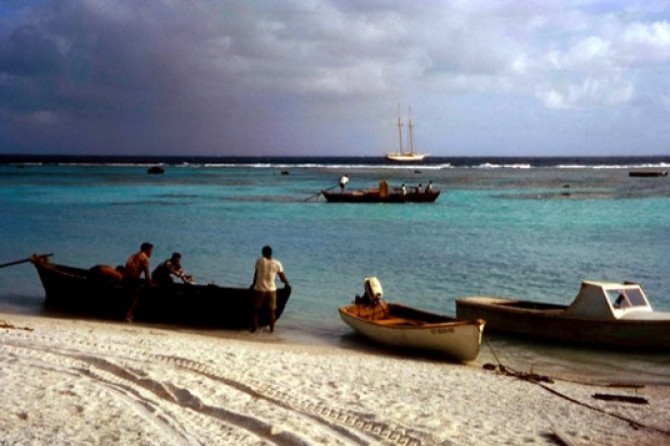
Landing on Manuae in 1965 (during its use as a large commercial coconut plantation)
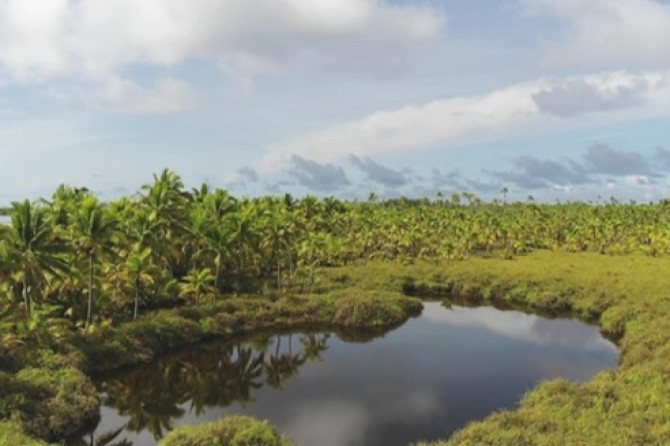
Manuae freshwater pond (this type of ecosystem is extremely rare on coral atolls)
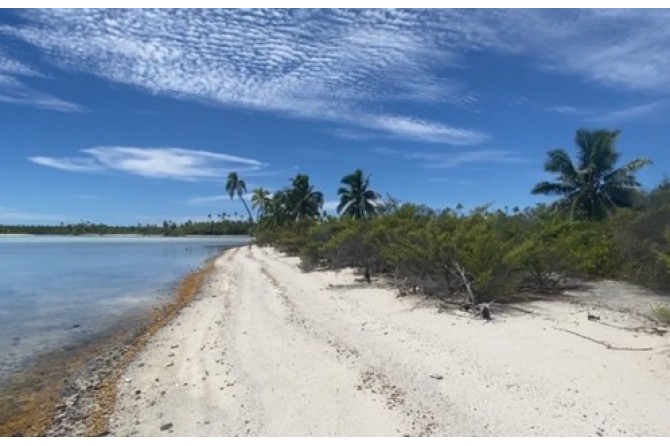
Manuae lagoon shore landscape
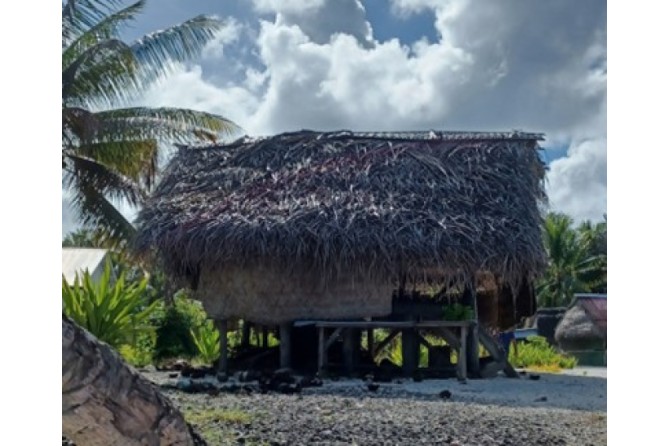
Traditional thatched Polynesian house (planned for education centre on Manuae)
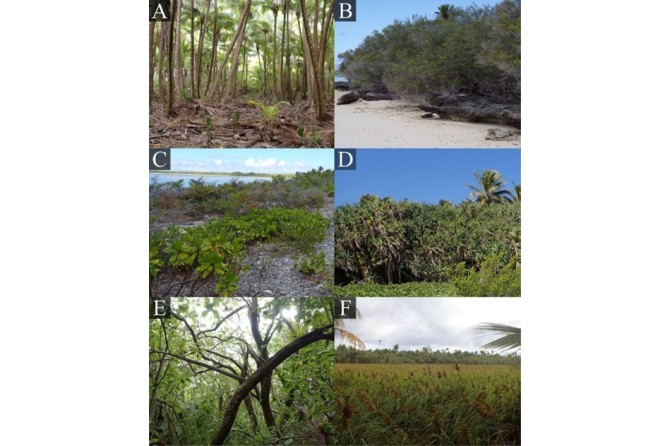
Habitat types on Manuae Island - photos from 2024 biodiversity survey. A) Coconut woodland. B) Shoreline vegetation. C) Ocean-facing beaches. D) Broadleaf woodlands. E) Pisonia stand. F) Swamp reed grass vegetation. Reproduced from: Sebastian Steibl, Samuel D. J. Brown, and James C. Russell. Pacific Science, 79(1): 55-70, University of Hawai'i Press.

Landing on Manuae in 1965 (during its use as a large commercial coconut plantation)

Manuae freshwater pond (this type of ecosystem is extremely rare on coral atolls)

Manuae lagoon shore landscape

Traditional thatched Polynesian house (planned for education centre on Manuae)

Habitat types on Manuae Island - photos from 2024 biodiversity survey. A) Coconut woodland. B) Shoreline vegetation. C) Ocean-facing beaches. D) Broadleaf woodlands. E) Pisonia stand. F) Swamp reed grass vegetation. Reproduced from: Sebastian Steibl, Samuel D. J. Brown, and James C. Russell. Pacific Science, 79(1): 55-70, University of Hawai'i Press.

1 / 20
Organisation :

Manuae Enua Conservation Trust

Project period :

January 2026 - December 2027

Project type :

Partnership building

Landscape type :

Landscape, Seascape

Kunming-Montreal Global Biodiversity Framework Targets :
  • Plan and Manage all Areas To Reduce Biodiversity Loss
  • Restore 30% of all Degraded Ecosystems
  • Conserve 30% of Land, Waters and Seas
  • Halt Species Extinction, Protect Genetic Diversity, and Manage Human-Wildlife Conflicts
  • Ensure Sustainable, Safe and Legal Harvesting and Trade of Wild Species
  • Reduce the Introduction of Invasive Alien Species by 50% and Minimize Their Impact
  • Minimize the Impacts of Climate Change on Biodiversity and Build Resilience
  • Manage Wild Species Sustainably To Benefit People
  • Restore, Maintain and Enhance Nature’s Contributions to People
  • Increase the Sharing of Benefits From Genetic Resources, Digital Sequence Information and Traditional Knowledge
  • Integrate Biodiversity in Decision-Making at Every Level
  • Businesses Assess, Disclose and Reduce Biodiversity-Related Risks and Negative Impacts
  • Enable Sustainable Consumption Choices To Reduce Waste and Overconsumption
  • Strengthen Biosafety and Distribute the Benefits of Biotechnology
  • Strengthen Capacity-Building, Technology Transfer, and Scientific and Technical Cooperation for Biodiversity
  • Ensure That Knowledge Is Available and Accessible To Guide Biodiversity Action
  • Ensure Participation in Decision-Making and Access to Justice and Information Related to Biodiversity for all
  • Ensure Gender Equality and a Gender-Responsive Approach for Biodiversity Action
More Detail
Sustainable Development Goals :
  • Good health and well-being
  • Quality education
  • Gender equality
  • Clean water and sanitation
  • Affordable and clean energy
  • Decent work and economic growth
  • Industry, innovation, infrastructure
  • Reduced inequalities
  • Sustainable cities and communities
  • Responsible consumption, production
  • Climate action
  • Life below water
  • Life on land
  • Peace, justice and strong institutions
  • Partnerships for the goals
More Detail

Overview

Manuae is an uninhabited island 100km south-east of Aitutaki, and is the largest uninhabited atoll in the Cook Islands. The island was originally inhabited, but the entire population was removed from Manuae 200 years ago (by the first European settlers). Many Manuae descendants still live on neighbouring islands, but most make up a diaspora, now living overseas in New Zealand and Australia.
In 2022, the Proprietors of Manuae Incorporated (PMI) established their wholly-owned not-for-profit "Manuae Enua Conservation Trust" (MECT) to represent the interests of landowners in managing Manuae for conservation and sustainable development.
During the establishment phase, MECT needs support from the international conservation community to reclaim ancestral homelands. Priorities include constructing essential infrastructure that would allow a transition into actively managing Manuae for biodiversity conservation and in rebuilding social, cultural, and economic self-sufficiency (using the SEPLS approach).
An early focus on capacity building will ensure that stakeholders (rangers, teachers, management committee, diaspora, government agencies, etc.) can professionally plan for the future based on the best international standards. This directly impacts the ability to safely live on this remote island and conduct conservation and education activities in a safe and effective way.
Satoyama funding will help build quality into planning, and help inform the future policy of Cook Islands government agencies, specifically how to deal with empowering local communities to conserve biodiversity at the same time as sustainably develop their land and other assets.

  • (1) Consultations with indigenous landowners and attendance at invasive alien species conference
  • (2) Workshop on traditional building construction
  • (3) Map the distribution of native plants and forests on Manuae
  • (4) Biosecurity training for local people
  • (5) Transportation and operations planning for pest control in 2027 (rat eradication)
  • (6) Build a database of landowners

Project location

Organisation

Manuae Enua Conservation Trust
Sector
Indigenous / local community
Country
Cook Islands
Website/SNS
www.manuae.org

Kunming-Montreal Global Biodiversity Framework Targets

Kunming-Montreal Global Biodiversity Framework Targets

  • Plan and Manage all Areas To Reduce Biodiversity Loss

  • Restore 30% of all Degraded Ecosystems

  • Conserve 30% of Land, Waters and Seas

  • Halt Species Extinction, Protect Genetic Diversity, and Manage Human-Wildlife Conflicts

  • Ensure Sustainable, Safe and Legal Harvesting and Trade of Wild Species

  • Reduce the Introduction of Invasive Alien Species by 50% and Minimize Their Impact

  • Minimize the Impacts of Climate Change on Biodiversity and Build Resilience

  • Manage Wild Species Sustainably To Benefit People

  • Restore, Maintain and Enhance Nature’s Contributions to People

  • Increase the Sharing of Benefits From Genetic Resources, Digital Sequence Information and Traditional Knowledge

  • Integrate Biodiversity in Decision-Making at Every Level

  • Businesses Assess, Disclose and Reduce Biodiversity-Related Risks and Negative Impacts

  • Enable Sustainable Consumption Choices To Reduce Waste and Overconsumption

  • Strengthen Biosafety and Distribute the Benefits of Biotechnology

  • Strengthen Capacity-Building, Technology Transfer, and Scientific and Technical Cooperation for Biodiversity

  • Ensure That Knowledge Is Available and Accessible To Guide Biodiversity Action

  • Ensure Participation in Decision-Making and Access to Justice and Information Related to Biodiversity for all

  • Ensure Gender Equality and a Gender-Responsive Approach for Biodiversity Action

Sustainable Development Goals

Sustainable Development Goals

  • Good health and well-being

  • Quality education

  • Gender equality

  • Clean water and sanitation

  • Affordable and clean energy

  • Decent work and economic growth

  • Industry, innovation, infrastructure

  • Reduced inequalities

  • Sustainable cities and communities

  • Responsible consumption, production

  • Climate action

  • Life below water

  • Life on land

  • Peace, justice and strong institutions

  • Partnerships for the goals