Search

  • Project
  • Resource
  • Project type

  • Region

  • Landscape type

  • Aichi Biodiversity Targets

    What does each Target means
    Target1
    Awareness increased
    Target2
    Biodiversity values integrated
    Target3
    Incentives reformed
    Target4
    Sustainable production and consumption
    Target5
    Habitat loss halved or reduced
    Target6
    Sustainable management of marine living resources
    Target7
    Sustainable agriculture, aquaculture and forestry
    Target8
    Pollution reduced
    Target9
    Invasive alien species prevented and controlled
    Target10
    Pressures on vulnerable ecosystems reduced
    Target11
    Protected areas increased and improved
    Target12
    Extinction prevented
    Target13
    Genetic diversity maintained
    Target14
    Ecosystems and essential services safeguarded
    Target15
    Ecosystems restored and resilience enhanced
    Target16
    Nagoya Protocol in force and operational
    Target17
    NBSAPs adopted as policy instrument
    Target18
    Traditional knowledge respected and integrated
    Target19
    Knowledge improved, shared and applied
    Target20
    Financial resources from all sources increased
  • Kunming-Montreal Global Biodiversity Framework Targets

    What does each Target means
    Target1
    Plan and Manage all Areas To Reduce Biodiversity Loss
    Target2
    Restore 30% of all Degraded Ecosystems
    Target3
    Conserve 30% of Land, Waters and Seas
    Target4
    Halt Species Extinction, Protect Genetic Diversity, and Manage Human-Wildlife Conflicts
    Target5
    Ensure Sustainable, Safe and Legal Harvesting and Trade of Wild Species
    Target6
    Reduce the Introduction of Invasive Alien Species by 50% and Minimize Their Impact
    Target7
    Reduce Pollution to Levels That Are Not Harmful to Biodiversity
    Target8
    Minimize the Impacts of Climate Change on Biodiversity and Build Resilience
    Target9
    Manage Wild Species Sustainably To Benefit People
    Target10
    Enhance Biodiversity and Sustainability in Agriculture, Aquaculture, Fisheries, and Forestry
    Target11
    Restore, Maintain and Enhance Nature’s Contributions to People
    Target12
    Enhance Green Spaces and Urban Planning for Human Well-Being and Biodiversity
    Target13
    Increase the Sharing of Benefits From Genetic Resources, Digital Sequence Information and Traditional Knowledge
    Target14
    Integrate Biodiversity in Decision-Making at Every Level
    Target15
    Businesses Assess, Disclose and Reduce Biodiversity-Related Risks and Negative Impacts
    Target16
    Enable Sustainable Consumption Choices To Reduce Waste and Overconsumption
    Target17
    Strengthen Biosafety and Distribute the Benefits of Biotechnology
    Target18
    Reduce Harmful Incentives by at Least $500 Billion per Year, and Scale Up Positive Incentives for Biodiversity
    Target19
    Mobilize $200 Billion per Year for Biodiversity From all Sources, Including $30 Billion Through International Finance
    Target20
    Strengthen Capacity-Building, Technology Transfer, and Scientific and Technical Cooperation for Biodiversity
    Target21
    Ensure That Knowledge Is Available and Accessible To Guide Biodiversity Action
    Target22
    Ensure Participation in Decision-Making and Access to Justice and Information Related to Biodiversity for all
    Target23
    Ensure Gender Equality and a Gender-Responsive Approach for Biodiversity Action
  • Sustainable Development Goals

    What does each Goal mean
    Goal1
    No poverty
    Goal2
    Zero hunger
    Goal3
    Good health and well-being
    Goal4
    Quality education
    Goal5
    Gender equality
    Goal6
    Clean water and sanitation
    Goal7
    Affordable and clean energy
    Goal8
    Decent work and economic growth
    Goal9
    Industry, innovation, infrastructure
    Goal10
    Reduced inequalities
    Goal11
    Sustainable cities and communities
    Goal12
    Responsible consumption, production
    Goal13
    Climate action
    Goal14
    Life below water
    Goal15
    Life on land
    Goal16
    Peace, justice and strong institutions
    Goal17
    Partnerships for the goals
  • Organisation type

Clear
  • Resources type

  • Region

  • Landscape type

  • Aichi Biodiversity Targets

    What does each Target means
    Target1
    Awareness increased
    Target2
    Biodiversity values integrated
    Target3
    Incentives reformed
    Target4
    Sustainable production and consumption
    Target5
    Habitat loss halved or reduced
    Target6
    Sustainable management of marine living resources
    Target7
    Sustainable agriculture, aquaculture and forestry
    Target8
    Pollution reduced
    Target9
    Invasive alien species prevented and controlled
    Target10
    Pressures on vulnerable ecosystems reduced
    Target11
    Protected areas increased and improved
    Target12
    Extinction prevented
    Target13
    Genetic diversity maintained
    Target14
    Ecosystems and essential services safeguarded
    Target15
    Ecosystems restored and resilience enhanced
    Target16
    Nagoya Protocol in force and operational
    Target17
    NBSAPs adopted as policy instrument
    Target18
    Traditional knowledge respected and integrated
    Target19
    Knowledge improved, shared and applied
    Target20
    Financial resources from all sources increased
  • Kunming-Montreal Global Biodiversity Framework Targets

    What does each Target means
    Target1
    Plan and Manage all Areas To Reduce Biodiversity Loss
    Target2
    Restore 30% of all Degraded Ecosystems
    Target3
    Conserve 30% of Land, Waters and Seas
    Target4
    Halt Species Extinction, Protect Genetic Diversity, and Manage Human-Wildlife Conflicts
    Target5
    Ensure Sustainable, Safe and Legal Harvesting and Trade of Wild Species
    Target6
    Reduce the Introduction of Invasive Alien Species by 50% and Minimize Their Impact
    Target7
    Reduce Pollution to Levels That Are Not Harmful to Biodiversity
    Target8
    Minimize the Impacts of Climate Change on Biodiversity and Build Resilience
    Target9
    Manage Wild Species Sustainably To Benefit People
    Target10
    Enhance Biodiversity and Sustainability in Agriculture, Aquaculture, Fisheries, and Forestry
    Target11
    Restore, Maintain and Enhance Nature’s Contributions to People
    Target12
    Enhance Green Spaces and Urban Planning for Human Well-Being and Biodiversity
    Target13
    Increase the Sharing of Benefits From Genetic Resources, Digital Sequence Information and Traditional Knowledge
    Target14
    Integrate Biodiversity in Decision-Making at Every Level
    Target15
    Businesses Assess, Disclose and Reduce Biodiversity-Related Risks and Negative Impacts
    Target16
    Enable Sustainable Consumption Choices To Reduce Waste and Overconsumption
    Target17
    Strengthen Biosafety and Distribute the Benefits of Biotechnology
    Target18
    Reduce Harmful Incentives by at Least $500 Billion per Year, and Scale Up Positive Incentives for Biodiversity
    Target19
    Mobilize $200 Billion per Year for Biodiversity From all Sources, Including $30 Billion Through International Finance
    Target20
    Strengthen Capacity-Building, Technology Transfer, and Scientific and Technical Cooperation for Biodiversity
    Target21
    Ensure That Knowledge Is Available and Accessible To Guide Biodiversity Action
    Target22
    Ensure Participation in Decision-Making and Access to Justice and Information Related to Biodiversity for all
    Target23
    Ensure Gender Equality and a Gender-Responsive Approach for Biodiversity Action
  • Sustainable Development Goals

    What does each Goal mean
    Goal1
    No poverty
    Goal2
    Zero hunger
    Goal3
    Good health and well-being
    Goal4
    Quality education
    Goal5
    Gender equality
    Goal6
    Clean water and sanitation
    Goal7
    Affordable and clean energy
    Goal8
    Decent work and economic growth
    Goal9
    Industry, innovation, infrastructure
    Goal10
    Reduced inequalities
    Goal11
    Sustainable cities and communities
    Goal12
    Responsible consumption, production
    Goal13
    Climate action
    Goal14
    Life below water
    Goal15
    Life on land
    Goal16
    Peace, justice and strong institutions
    Goal17
    Partnerships for the goals
Clear
12

2025 KENYA

Project title :

Development of Sustainable and Inclusive Value Chains for Non-Timber Forest Products in Southeastern Kenya

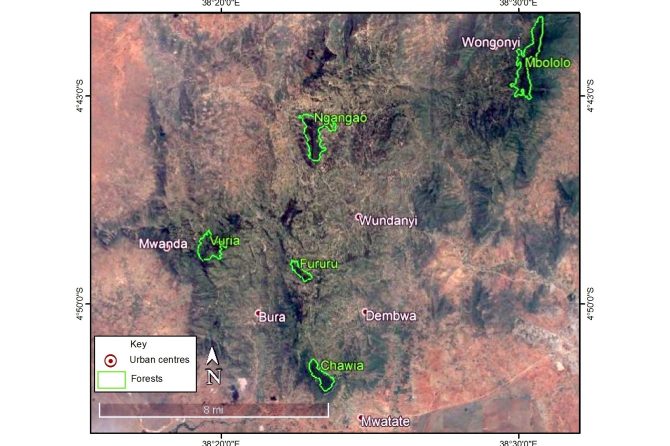
 Taita forests image
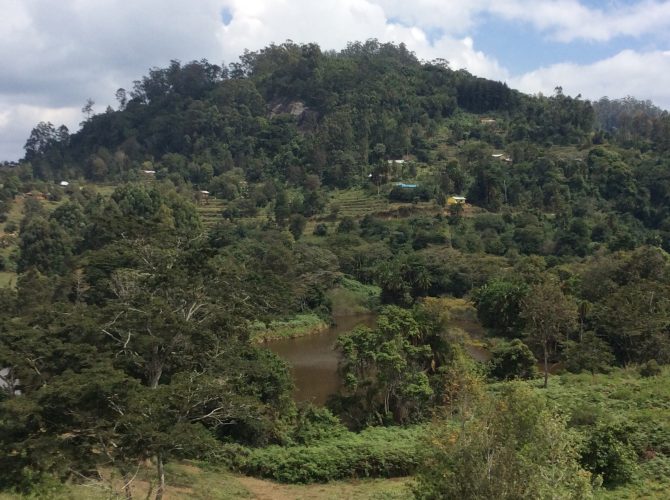
 View of Fururu forest in Taita Hills embedded in agricultural landscape
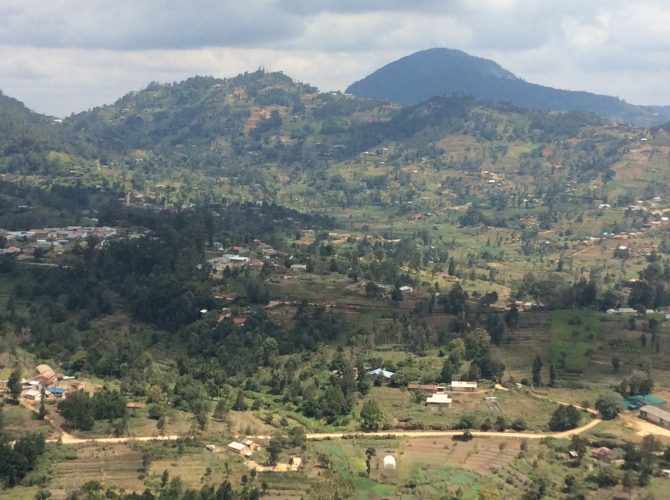
Vuria forest (with communication masks) with Taita Hills behind Werugha Trading centre
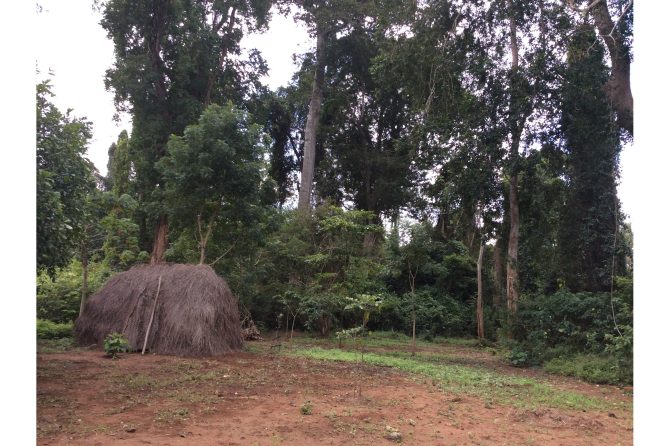
 Sacred site within Kaya Bomu in Rabai Cultural Landscape

Taita forests image

View of Fururu forest in Taita Hills embedded in agricultural landscape

Vuria forest (with communication masks) with Taita Hills behind Werugha Trading centre

Sacred site within Kaya Bomu in Rabai Cultural Landscape

1 / 20
Organisation :

Kenya Forestry Research Institute (KEFRI)

Project period :

December 2025 - November 2027

Project type :

Community / field-based implementation

Landscape type :

Landscape

Kunming-Montreal Global Biodiversity Framework Targets :
  • Restore 30% of all Degraded Ecosystems
  • Conserve 30% of Land, Waters and Seas
  • Halt Species Extinction, Protect Genetic Diversity, and Manage Human-Wildlife Conflicts
  • Minimize the Impacts of Climate Change on Biodiversity and Build Resilience
  • Manage Wild Species Sustainably To Benefit People
  • Enhance Biodiversity and Sustainability in Agriculture, Aquaculture, Fisheries, and Forestry
  • Restore, Maintain and Enhance Nature’s Contributions to People
  • Increase the Sharing of Benefits From Genetic Resources, Digital Sequence Information and Traditional Knowledge
  • Strengthen Capacity-Building, Technology Transfer, and Scientific and Technical Cooperation for Biodiversity
  • Ensure Participation in Decision-Making and Access to Justice and Information Related to Biodiversity for all
  • Ensure Gender Equality and a Gender-Responsive Approach for Biodiversity Action
More Detail
Sustainable Development Goals :
  • No poverty
  • Zero hunger
  • Good health and well-being
  • Gender equality
  • Decent work and economic growth
  • Climate action
  • Life on land
  • Peace, justice and strong institutions
More Detail

Overview

The project aims to develop sustainable and inclusive value chains for honey, tamarind and coconut oil in Taita Hills and Rabai Kaya forests in Kenya through: (1) mapping NTFP value chains, supply chain actors and institutional frameworks to inform development of sustainable value chains for honey, tamarind and coconut oil; (2) assessing the effectiveness of existing NTFP partnerships and existing mechanisms for technology and knowledge transfer and marketing of NTFPs; (3) developing innovative and inclusive business models to enhance productivity and profitability of honey, tamarind and coconut oil enterprises; and (4) developing a framework for gender-responsive and inclusive NTFP value chains.
The project will contribute to improved rural livelihoods through income generation and improved capacity of community groups to undertake successful nature-based enterprises. It will also establish frameworks for enhanced women and youth participation in sustainable NTFP value chains, and contribute to the development of inclusive, innovative, and functional collaborative arrangements for enhanced productivity and profitability of NTFP enterprises. Furthermore, a small percentage of the funds generated from NTFP enterprises will be channelled to support conservation activities in the Taita Hills and Kaya forests. Economic benefits derived from honey, tamarind and coconut oil enterprises will provide further incentives for local communities to actively participate in the conservation of Taita Hills and Rabai Kaya forests. The project will also develop appropriate dissemination tools and approaches, including policy dialogues and a Community of Practice, which will bring on board diverse actors and establish a database and knowledge-sharing platforms to facilitate stakeholder engagement and market linkages.

  • (1) Stakeholder inception workshop
  • (2) Surveys in Taita Hills and Kaya forests to map products value and supply chains actors
  • (3) Survey to analyse existing business models at production and processing levels
  • (4) Key informant/expert interviews with key value chain actors
  • (5) Focus group discussions with key supply chain actors
  • (6) Data processing
  • (7) Hold meetings with NTFP groups
  • (8) Conduct peer learning and exposure visits
  • (9) Training of community NTFP groups on sustainable supply chains
  • (10) Developing a framework for supply of NTFPs and establish necessary linkages
  • (11) Develop market linkages with key industry players
  • (12) Develop guidelines and dissemination tools
  • (13) Knowledge sharing and information dissemination platforms
  • (14) Conduct stakeholder feedback workshop at the end of the project

Project location

Organisation

Kenya Forestry Research Institute (KEFRI)
Sector
academic/ research institute
Country
Kenya
Website/SNS
https://www.kefri.org/

Kunming-Montreal Global Biodiversity Framework Targets

Kunming-Montreal Global Biodiversity Framework Targets

  • Restore 30% of all Degraded Ecosystems

  • Conserve 30% of Land, Waters and Seas

  • Halt Species Extinction, Protect Genetic Diversity, and Manage Human-Wildlife Conflicts

  • Minimize the Impacts of Climate Change on Biodiversity and Build Resilience

  • Manage Wild Species Sustainably To Benefit People

  • Enhance Biodiversity and Sustainability in Agriculture, Aquaculture, Fisheries, and Forestry

  • Restore, Maintain and Enhance Nature’s Contributions to People

  • Increase the Sharing of Benefits From Genetic Resources, Digital Sequence Information and Traditional Knowledge

  • Strengthen Capacity-Building, Technology Transfer, and Scientific and Technical Cooperation for Biodiversity

  • Ensure Participation in Decision-Making and Access to Justice and Information Related to Biodiversity for all

  • Ensure Gender Equality and a Gender-Responsive Approach for Biodiversity Action

Sustainable Development Goals

Sustainable Development Goals

  • No poverty

  • Zero hunger

  • Good health and well-being

  • Gender equality

  • Decent work and economic growth

  • Climate action

  • Life on land

  • Peace, justice and strong institutions