Search

  • Project
  • Resource
  • Project type

  • Region

  • Landscape type

  • Aichi Biodiversity Targets

    What does each Target means
    Target1
    Awareness increased
    Target2
    Biodiversity values integrated
    Target3
    Incentives reformed
    Target4
    Sustainable production and consumption
    Target5
    Habitat loss halved or reduced
    Target6
    Sustainable management of marine living resources
    Target7
    Sustainable agriculture, aquaculture and forestry
    Target8
    Pollution reduced
    Target9
    Invasive alien species prevented and controlled
    Target10
    Pressures on vulnerable ecosystems reduced
    Target11
    Protected areas increased and improved
    Target12
    Extinction prevented
    Target13
    Genetic diversity maintained
    Target14
    Ecosystems and essential services safeguarded
    Target15
    Ecosystems restored and resilience enhanced
    Target16
    Nagoya Protocol in force and operational
    Target17
    NBSAPs adopted as policy instrument
    Target18
    Traditional knowledge respected and integrated
    Target19
    Knowledge improved, shared and applied
    Target20
    Financial resources from all sources increased
  • Kunming-Montreal Global Biodiversity Framework Targets

    What does each Target means
    Target1
    Plan and Manage all Areas To Reduce Biodiversity Loss
    Target2
    Restore 30% of all Degraded Ecosystems
    Target3
    Conserve 30% of Land, Waters and Seas
    Target4
    Halt Species Extinction, Protect Genetic Diversity, and Manage Human-Wildlife Conflicts
    Target5
    Ensure Sustainable, Safe and Legal Harvesting and Trade of Wild Species
    Target6
    Reduce the Introduction of Invasive Alien Species by 50% and Minimize Their Impact
    Target7
    Reduce Pollution to Levels That Are Not Harmful to Biodiversity
    Target8
    Minimize the Impacts of Climate Change on Biodiversity and Build Resilience
    Target9
    Manage Wild Species Sustainably To Benefit People
    Target10
    Enhance Biodiversity and Sustainability in Agriculture, Aquaculture, Fisheries, and Forestry
    Target11
    Restore, Maintain and Enhance Nature’s Contributions to People
    Target12
    Enhance Green Spaces and Urban Planning for Human Well-Being and Biodiversity
    Target13
    Increase the Sharing of Benefits From Genetic Resources, Digital Sequence Information and Traditional Knowledge
    Target14
    Integrate Biodiversity in Decision-Making at Every Level
    Target15
    Businesses Assess, Disclose and Reduce Biodiversity-Related Risks and Negative Impacts
    Target16
    Enable Sustainable Consumption Choices To Reduce Waste and Overconsumption
    Target17
    Strengthen Biosafety and Distribute the Benefits of Biotechnology
    Target18
    Reduce Harmful Incentives by at Least $500 Billion per Year, and Scale Up Positive Incentives for Biodiversity
    Target19
    Mobilize $200 Billion per Year for Biodiversity From all Sources, Including $30 Billion Through International Finance
    Target20
    Strengthen Capacity-Building, Technology Transfer, and Scientific and Technical Cooperation for Biodiversity
    Target21
    Ensure That Knowledge Is Available and Accessible To Guide Biodiversity Action
    Target22
    Ensure Participation in Decision-Making and Access to Justice and Information Related to Biodiversity for all
    Target23
    Ensure Gender Equality and a Gender-Responsive Approach for Biodiversity Action
  • Sustainable Development Goals

    What does each Goal mean
    Goal1
    No poverty
    Goal2
    Zero hunger
    Goal3
    Good health and well-being
    Goal4
    Quality education
    Goal5
    Gender equality
    Goal6
    Clean water and sanitation
    Goal7
    Affordable and clean energy
    Goal8
    Decent work and economic growth
    Goal9
    Industry, innovation, infrastructure
    Goal10
    Reduced inequalities
    Goal11
    Sustainable cities and communities
    Goal12
    Responsible consumption, production
    Goal13
    Climate action
    Goal14
    Life below water
    Goal15
    Life on land
    Goal16
    Peace, justice and strong institutions
    Goal17
    Partnerships for the goals
  • Organisation type

Clear
  • Resources type

  • Region

  • Landscape type

  • Aichi Biodiversity Targets

    What does each Target means
    Target1
    Awareness increased
    Target2
    Biodiversity values integrated
    Target3
    Incentives reformed
    Target4
    Sustainable production and consumption
    Target5
    Habitat loss halved or reduced
    Target6
    Sustainable management of marine living resources
    Target7
    Sustainable agriculture, aquaculture and forestry
    Target8
    Pollution reduced
    Target9
    Invasive alien species prevented and controlled
    Target10
    Pressures on vulnerable ecosystems reduced
    Target11
    Protected areas increased and improved
    Target12
    Extinction prevented
    Target13
    Genetic diversity maintained
    Target14
    Ecosystems and essential services safeguarded
    Target15
    Ecosystems restored and resilience enhanced
    Target16
    Nagoya Protocol in force and operational
    Target17
    NBSAPs adopted as policy instrument
    Target18
    Traditional knowledge respected and integrated
    Target19
    Knowledge improved, shared and applied
    Target20
    Financial resources from all sources increased
  • Kunming-Montreal Global Biodiversity Framework Targets

    What does each Target means
    Target1
    Plan and Manage all Areas To Reduce Biodiversity Loss
    Target2
    Restore 30% of all Degraded Ecosystems
    Target3
    Conserve 30% of Land, Waters and Seas
    Target4
    Halt Species Extinction, Protect Genetic Diversity, and Manage Human-Wildlife Conflicts
    Target5
    Ensure Sustainable, Safe and Legal Harvesting and Trade of Wild Species
    Target6
    Reduce the Introduction of Invasive Alien Species by 50% and Minimize Their Impact
    Target7
    Reduce Pollution to Levels That Are Not Harmful to Biodiversity
    Target8
    Minimize the Impacts of Climate Change on Biodiversity and Build Resilience
    Target9
    Manage Wild Species Sustainably To Benefit People
    Target10
    Enhance Biodiversity and Sustainability in Agriculture, Aquaculture, Fisheries, and Forestry
    Target11
    Restore, Maintain and Enhance Nature’s Contributions to People
    Target12
    Enhance Green Spaces and Urban Planning for Human Well-Being and Biodiversity
    Target13
    Increase the Sharing of Benefits From Genetic Resources, Digital Sequence Information and Traditional Knowledge
    Target14
    Integrate Biodiversity in Decision-Making at Every Level
    Target15
    Businesses Assess, Disclose and Reduce Biodiversity-Related Risks and Negative Impacts
    Target16
    Enable Sustainable Consumption Choices To Reduce Waste and Overconsumption
    Target17
    Strengthen Biosafety and Distribute the Benefits of Biotechnology
    Target18
    Reduce Harmful Incentives by at Least $500 Billion per Year, and Scale Up Positive Incentives for Biodiversity
    Target19
    Mobilize $200 Billion per Year for Biodiversity From all Sources, Including $30 Billion Through International Finance
    Target20
    Strengthen Capacity-Building, Technology Transfer, and Scientific and Technical Cooperation for Biodiversity
    Target21
    Ensure That Knowledge Is Available and Accessible To Guide Biodiversity Action
    Target22
    Ensure Participation in Decision-Making and Access to Justice and Information Related to Biodiversity for all
    Target23
    Ensure Gender Equality and a Gender-Responsive Approach for Biodiversity Action
  • Sustainable Development Goals

    What does each Goal mean
    Goal1
    No poverty
    Goal2
    Zero hunger
    Goal3
    Good health and well-being
    Goal4
    Quality education
    Goal5
    Gender equality
    Goal6
    Clean water and sanitation
    Goal7
    Affordable and clean energy
    Goal8
    Decent work and economic growth
    Goal9
    Industry, innovation, infrastructure
    Goal10
    Reduced inequalities
    Goal11
    Sustainable cities and communities
    Goal12
    Responsible consumption, production
    Goal13
    Climate action
    Goal14
    Life below water
    Goal15
    Life on land
    Goal16
    Peace, justice and strong institutions
    Goal17
    Partnerships for the goals
Clear
10

2023 INDIA

Project title :

Satpura-Melghat Landscape Restoration Initiative

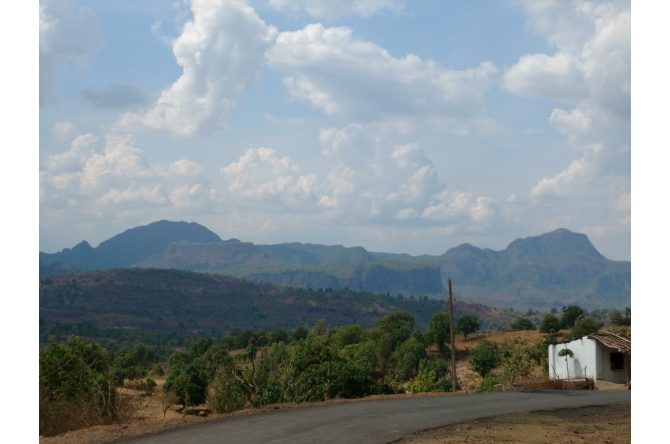
The Landscape
Sapling distribution and Awareness drive
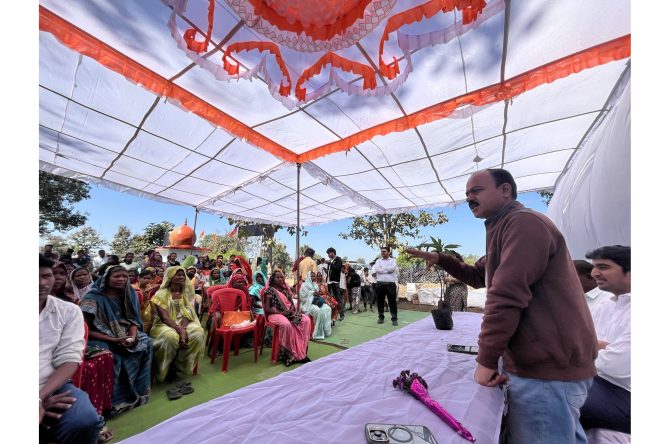
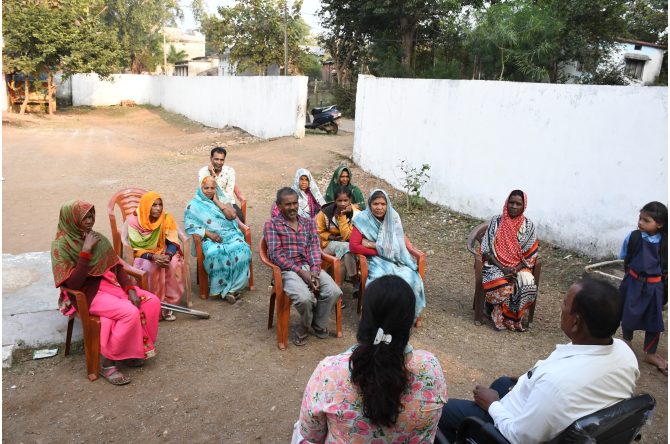
Community consultation meetings
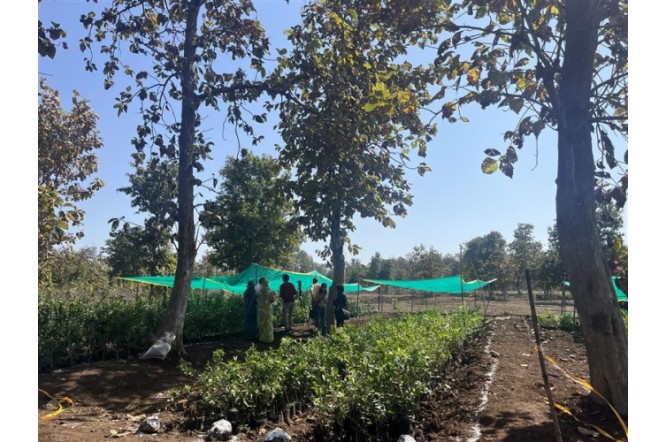
Nursery development
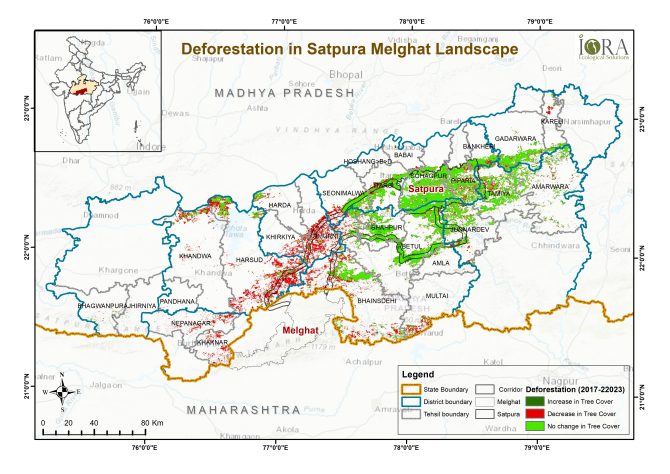
Deforestation (2017-2023) in Satpura Melghat Landscape
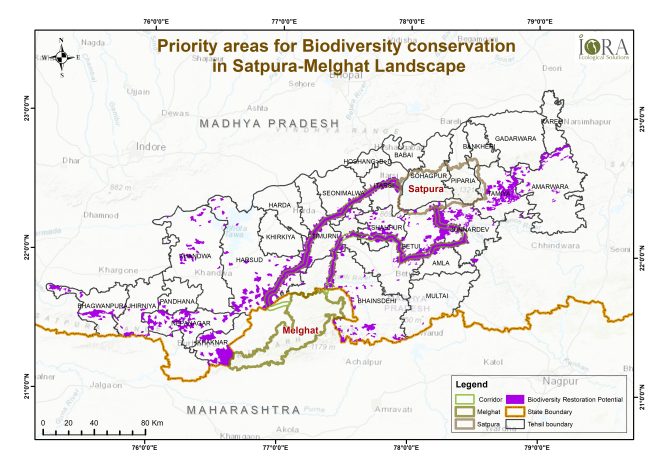
Map of priority areas for biodiversity conservation in Satpura Melghat Landscape

The Landscape

Sapling distribution and Awareness drive

Community consultation meetings

Nursery development

Deforestation (2017-2023) in Satpura Melghat Landscape

Map of priority areas for biodiversity conservation in Satpura Melghat Landscape

1 / 20
Organisation :

IORA Ecological Solutions

Project period :

December 2023 - January 2025

Project type :

Community / field-based implementation

Landscape type :

Landscape

Kunming-Montreal Global Biodiversity Framework Targets :
  • Plan and Manage all Areas To Reduce Biodiversity Loss
  • Ensure Sustainable, Safe and Legal Harvesting and Trade of Wild Species
  • Enable Sustainable Consumption Choices To Reduce Waste and Overconsumption
  • Ensure That Knowledge Is Available and Accessible To Guide Biodiversity Action
More Detail
Sustainable Development Goals :
  • Responsible consumption, production
  • Life on land
More Detail

Overview

Satpura-Melghat Landscape, representative of the dry deciduous forests of Central India, is vital for biodiversity conservation and provides essential ecosystem services contributing to climate resilience. The landscape, drained by the Tapi, Narmada and Godavari basins, is a mosaic of forestlands and agriculture spread across eight districts in Madhya Pradesh, and is home to tribes like Gond, Korku and Bhil who are dependent on natural resources for their lives and livelihoods, especially agriculture and non-timber forest produce. Despite the dense forest cover, the landscape suffers high levels of degradation due to various natural and anthropogenic pressures. Addressing these multi-faceted challenges requires an integrated approach which is used in this project. Geo-spatial analysis of the landscape using remote sensing and GIS data was done to understand the historical land use changes, forest cover, deforestation and degradation, forest fires, carbon sequestration potential, species occurrence, digital elevation model etc. Secondary data from the Working Plans of the forest divisions was analysed and integrated. The plans provide exhaustive information about the ecological and socio-economic attributes of the landscape which was supplemented by field surveys and community interactions. These assessments inform the overall planning for future interventions including afforestation, reforestation, agroforestry, assisted natural regeneration and sustainable resource management, grassland management etc. Consultations with key stakeholder groups laid the foundation for landscape-level collaborations and ensuring the interests of all are considered in planning.

Key achievements

The project has collected and integrated information for entire landscape spanning 3,810,133 ha area under sustainable landscape level planning. In addition to identification of priority areas, the project identified and prioritised sustainable value chain development opportunities for NTFP and agroforestry products like mahua, chironji, orange, jackfruit etc. Through these activities and continuous stakeholder consultation, the project laid a strong knowledge base to support conservation and sustainable management planning of Satpura-Melghat Landscape in the long term.
Also, the project identified priority areas for different restoration interventions in the landscape:
1) 178,858 ha area affected by deforestation identified for interventions such as afforestation, reforestation, agroforestry;
2) 296,910 ha degraded area identified for assisted natural regeneration and sustainable management;
3) 413,221 ha overlapping area identified as priority for biodiversity conservation;
4) 100,495 ha prioritised for grassland management.

Lessons

The project demonstrated need for thorough ecological and socio-economic assessments for effective landscape conservation. Balancing resource management with community well-being requires active participation at every stage for long-term sustainability. A strong stakeholder strategy, adaptable interventions and an adaptive learning framework are essential to address the evolving challenges of Satpura-Melghat landscape.

  • Harmonising ecological, social and economic needs forms the cornerstone of sustainable landscape management. However, achieving this balance represents the most intricate and demanding aspect of such initiatives.

Project location

Organisation

 IORA Ecological Solutions
IORA Ecological Solutions
Sector
Non-governmental organisation
Country
India
Website/SNS
http://ioraecological.com/

Kunming-Montreal Global Biodiversity Framework Targets

Kunming-Montreal Global Biodiversity Framework Targets

  • Plan and Manage all Areas To Reduce Biodiversity Loss

  • Ensure Sustainable, Safe and Legal Harvesting and Trade of Wild Species

  • Enable Sustainable Consumption Choices To Reduce Waste and Overconsumption

  • Ensure That Knowledge Is Available and Accessible To Guide Biodiversity Action

Sustainable Development Goals

Sustainable Development Goals

  • Responsible consumption, production

  • Life on land