
Search

  • Project
  • Resource
  • Project type

  • Region

  • Landscape type

  • Aichi Biodiversity Targets

    What does each Target means
    Target1
    Awareness increased
    Target2
    Biodiversity values integrated
    Target3
    Incentives reformed
    Target4
    Sustainable production and consumption
    Target5
    Habitat loss halved or reduced
    Target6
    Sustainable management of marine living resources
    Target7
    Sustainable agriculture, aquaculture and forestry
    Target8
    Pollution reduced
    Target9
    Invasive alien species prevented and controlled
    Target10
    Pressures on vulnerable ecosystems reduced
    Target11
    Protected areas increased and improved
    Target12
    Extinction prevented
    Target13
    Genetic diversity maintained
    Target14
    Ecosystems and essential services safeguarded
    Target15
    Ecosystems restored and resilience enhanced
    Target16
    Nagoya Protocol in force and operational
    Target17
    NBSAPs adopted as policy instrument
    Target18
    Traditional knowledge respected and integrated
    Target19
    Knowledge improved, shared and applied
    Target20
    Financial resources from all sources increased
  • Kunming-Montreal Global Biodiversity Framework Targets

    What does each Target means
    Target1
    Plan and Manage all Areas To Reduce Biodiversity Loss
    Target2
    Restore 30% of all Degraded Ecosystems
    Target3
    Conserve 30% of Land, Waters and Seas
    Target4
    Halt Species Extinction, Protect Genetic Diversity, and Manage Human-Wildlife Conflicts
    Target5
    Ensure Sustainable, Safe and Legal Harvesting and Trade of Wild Species
    Target6
    Reduce the Introduction of Invasive Alien Species by 50% and Minimize Their Impact
    Target7
    Reduce Pollution to Levels That Are Not Harmful to Biodiversity
    Target8
    Minimize the Impacts of Climate Change on Biodiversity and Build Resilience
    Target9
    Manage Wild Species Sustainably To Benefit People
    Target10
    Enhance Biodiversity and Sustainability in Agriculture, Aquaculture, Fisheries, and Forestry
    Target11
    Restore, Maintain and Enhance Nature’s Contributions to People
    Target12
    Enhance Green Spaces and Urban Planning for Human Well-Being and Biodiversity
    Target13
    Increase the Sharing of Benefits From Genetic Resources, Digital Sequence Information and Traditional Knowledge
    Target14
    Integrate Biodiversity in Decision-Making at Every Level
    Target15
    Businesses Assess, Disclose and Reduce Biodiversity-Related Risks and Negative Impacts
    Target16
    Enable Sustainable Consumption Choices To Reduce Waste and Overconsumption
    Target17
    Strengthen Biosafety and Distribute the Benefits of Biotechnology
    Target18
    Reduce Harmful Incentives by at Least $500 Billion per Year, and Scale Up Positive Incentives for Biodiversity
    Target19
    Mobilize $200 Billion per Year for Biodiversity From all Sources, Including $30 Billion Through International Finance
    Target20
    Strengthen Capacity-Building, Technology Transfer, and Scientific and Technical Cooperation for Biodiversity
    Target21
    Ensure That Knowledge Is Available and Accessible To Guide Biodiversity Action
    Target22
    Ensure Participation in Decision-Making and Access to Justice and Information Related to Biodiversity for all
    Target23
    Ensure Gender Equality and a Gender-Responsive Approach for Biodiversity Action
  • Sustainable Development Goals

    What does each Goal mean
    Goal1
    No poverty
    Goal2
    Zero hunger
    Goal3
    Good health and well-being
    Goal4
    Quality education
    Goal5
    Gender equality
    Goal6
    Clean water and sanitation
    Goal7
    Affordable and clean energy
    Goal8
    Decent work and economic growth
    Goal9
    Industry, innovation, infrastructure
    Goal10
    Reduced inequalities
    Goal11
    Sustainable cities and communities
    Goal12
    Responsible consumption, production
    Goal13
    Climate action
    Goal14
    Life below water
    Goal15
    Life on land
    Goal16
    Peace, justice and strong institutions
    Goal17
    Partnerships for the goals
  • Organisation type

Clear
  • Resources type

  • Region

  • Landscape type

  • Aichi Biodiversity Targets

    What does each Target means
    Target1
    Awareness increased
    Target2
    Biodiversity values integrated
    Target3
    Incentives reformed
    Target4
    Sustainable production and consumption
    Target5
    Habitat loss halved or reduced
    Target6
    Sustainable management of marine living resources
    Target7
    Sustainable agriculture, aquaculture and forestry
    Target8
    Pollution reduced
    Target9
    Invasive alien species prevented and controlled
    Target10
    Pressures on vulnerable ecosystems reduced
    Target11
    Protected areas increased and improved
    Target12
    Extinction prevented
    Target13
    Genetic diversity maintained
    Target14
    Ecosystems and essential services safeguarded
    Target15
    Ecosystems restored and resilience enhanced
    Target16
    Nagoya Protocol in force and operational
    Target17
    NBSAPs adopted as policy instrument
    Target18
    Traditional knowledge respected and integrated
    Target19
    Knowledge improved, shared and applied
    Target20
    Financial resources from all sources increased
  • Kunming-Montreal Global Biodiversity Framework Targets

    What does each Target means
    Target1
    Plan and Manage all Areas To Reduce Biodiversity Loss
    Target2
    Restore 30% of all Degraded Ecosystems
    Target3
    Conserve 30% of Land, Waters and Seas
    Target4
    Halt Species Extinction, Protect Genetic Diversity, and Manage Human-Wildlife Conflicts
    Target5
    Ensure Sustainable, Safe and Legal Harvesting and Trade of Wild Species
    Target6
    Reduce the Introduction of Invasive Alien Species by 50% and Minimize Their Impact
    Target7
    Reduce Pollution to Levels That Are Not Harmful to Biodiversity
    Target8
    Minimize the Impacts of Climate Change on Biodiversity and Build Resilience
    Target9
    Manage Wild Species Sustainably To Benefit People
    Target10
    Enhance Biodiversity and Sustainability in Agriculture, Aquaculture, Fisheries, and Forestry
    Target11
    Restore, Maintain and Enhance Nature’s Contributions to People
    Target12
    Enhance Green Spaces and Urban Planning for Human Well-Being and Biodiversity
    Target13
    Increase the Sharing of Benefits From Genetic Resources, Digital Sequence Information and Traditional Knowledge
    Target14
    Integrate Biodiversity in Decision-Making at Every Level
    Target15
    Businesses Assess, Disclose and Reduce Biodiversity-Related Risks and Negative Impacts
    Target16
    Enable Sustainable Consumption Choices To Reduce Waste and Overconsumption
    Target17
    Strengthen Biosafety and Distribute the Benefits of Biotechnology
    Target18
    Reduce Harmful Incentives by at Least $500 Billion per Year, and Scale Up Positive Incentives for Biodiversity
    Target19
    Mobilize $200 Billion per Year for Biodiversity From all Sources, Including $30 Billion Through International Finance
    Target20
    Strengthen Capacity-Building, Technology Transfer, and Scientific and Technical Cooperation for Biodiversity
    Target21
    Ensure That Knowledge Is Available and Accessible To Guide Biodiversity Action
    Target22
    Ensure Participation in Decision-Making and Access to Justice and Information Related to Biodiversity for all
    Target23
    Ensure Gender Equality and a Gender-Responsive Approach for Biodiversity Action
  • Sustainable Development Goals

    What does each Goal mean
    Goal1
    No poverty
    Goal2
    Zero hunger
    Goal3
    Good health and well-being
    Goal4
    Quality education
    Goal5
    Gender equality
    Goal6
    Clean water and sanitation
    Goal7
    Affordable and clean energy
    Goal8
    Decent work and economic growth
    Goal9
    Industry, innovation, infrastructure
    Goal10
    Reduced inequalities
    Goal11
    Sustainable cities and communities
    Goal12
    Responsible consumption, production
    Goal13
    Climate action
    Goal14
    Life below water
    Goal15
    Life on land
    Goal16
    Peace, justice and strong institutions
    Goal17
    Partnerships for the goals
Clear
10

2023 INDIA

Project title :

Developing a sustainable socio economy through the restoration of sacred groves of the Malaiyali community in the Kalrayan hills of South India

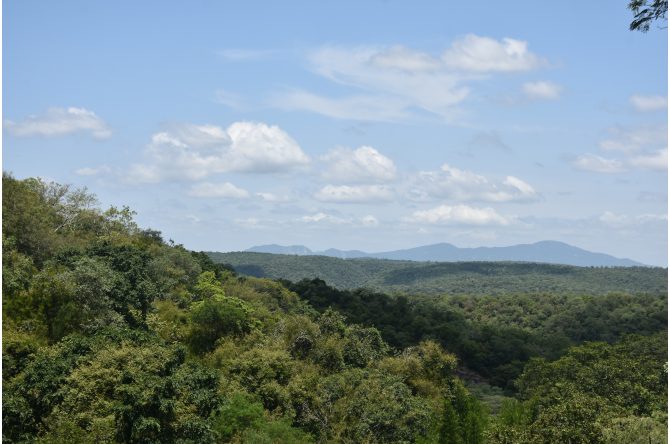
Overview of Kalrayan Hills with dense forest and rich biodiversity
Abandoned statues found on the roof of the village temple, surrounded by withered leaves. These statues are a homage paid by the devotees in return for fulfilled wishes. The statue of a male child generally signifies a request for a male child from the devotees
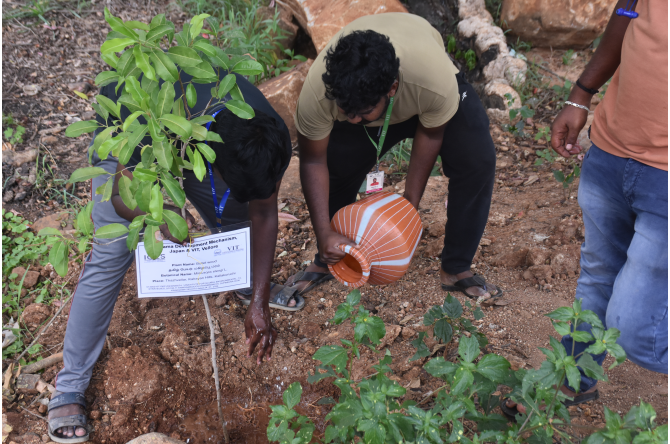
 Planting saplings of Mimusops elengi L. (Bullet wood) at Kalrayan Hills, Kallakuruchi
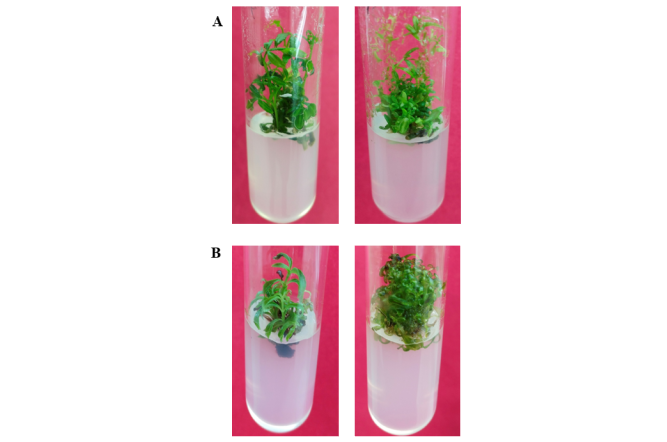
Multiple shoots developed from A. Toddalia asiatica and B. Hedyotis sps.
Sacred grove where a deity is established under the banyan tree and worshipped

Overview of Kalrayan Hills with dense forest and rich biodiversity

Abandoned statues found on the roof of the village temple, surrounded by withered leaves. These statues are a homage paid by the devotees in return for fulfilled wishes. The statue of a male child generally signifies a request for a male child from the devotees

Planting saplings of Mimusops elengi L. (Bullet wood) at Kalrayan Hills, Kallakuruchi

Multiple shoots developed from A. Toddalia asiatica and B. Hedyotis sps.

Sacred grove where a deity is established under the banyan tree and worshipped

1 / 20
Organisation :

Vellore Institute of Technology

Project period :

January 2024 - December 2024

Project type :

Community / field-based implementation

Landscape type :

Landscape

Kunming-Montreal Global Biodiversity Framework Targets :
  • Plan and Manage all Areas To Reduce Biodiversity Loss
  • Restore 30% of all Degraded Ecosystems
  • Conserve 30% of Land, Waters and Seas
  • Manage Wild Species Sustainably To Benefit People
  • Enhance Biodiversity and Sustainability in Agriculture, Aquaculture, Fisheries, and Forestry
  • Restore, Maintain and Enhance Nature’s Contributions to People
  • Enable Sustainable Consumption Choices To Reduce Waste and Overconsumption
  • Mobilize $200 Billion per Year for Biodiversity From all Sources, Including $30 Billion Through International Finance
More Detail
Sustainable Development Goals :
  • Responsible consumption, production
  • Life on land
More Detail

Overview

The sacred groves of Kalrayan hills are a socio-ecological production landscape (SEPLS), a known repository of valuable flora. Rapid modernisation has impacted religious beliefs and social values, which have led to unfettered human interference, causing the depletion of sacred groves. It is now vital to conserve and restore these resources in cooperation with the residing Malaiyali tribal community. A collective approach was taken in collaboration with the Malaiyali community to rejuvenate the sacred groves of Kalrayan Hills. The study area encompassed 10 villages in the Kalrayan Hills, renowned for their sacred groves and biodiversity. Primarily, the medicinal plants of the reserved area were mapped and documented. Surveys were carried out to gain an understanding of the traditional approaches adopted by the elderly community to protect sacred groves and the current challenges faced by the sacred groves and the medicinal plants. This study also gave insights into the use of valuable medicinal resources and practices followed by the community. Based on the findings, the in vitro cultures of the plants were established for their conservation. Restoration of the sacred groves was achieved by developing community resilience among the tribal groups through awareness classes on the protection of sacred groves and their sustainable utilisation. As part of the initiative, ‘Vrikshavalli’ of threatened plants was established in the study area in cooperation with the community to protect and cultivate the significance of natural resources among the tribal groups. Furthermore, training modules were developed from the outcomes of the project for conservation of the sacred groves, and will be used as resource material for conservation biologists. The collective approach adopted in collaboration with the Malaiyali community significantly impacted the conservation of sacred groves and aided the sustainable development of the community.
This project aims to map, study and document the threatened flora of selected groves along with their medicinal value. The current project also aims to integrate traditional ecological knowledge and modern science by developing in-vitro conservation protocols and reinstating conventional in-situ conservation practices. A varied approach has been developed to restore sacred groves and to create a community in harmony with nature. A sustainable socio-economy approach will also be implemented in the local community for the utilization of medicinal plants. The establishment of a water shed system and compost will restore sacred groves and livelihood of Malaiyali community.

Key achievements

The profound knowledge of the conservation practices and traditional ritual practices employed by the local community is studied and documented. GIS mapping of threatened plants and their medicinal uses was reported. A detailed protocol for in vitro conservation was established in the tissue culture facilities provided by the VIT. The restoration and maintenance of selected sacred groves, and the utilisation of these SELPS in collaboration with the local community improved community resilience. A garden of medicinal plants named Vrikshavalli was established in cooperation with the tribal community. Awareness and knowledge were enhanced among the local community about the utilisation of medicinal plants through training programmes. These activities aided the socio-economic development of the community by opening a sustainable source of revenue. The training programmes and awareness classes improved community cohesion, social harmony and affinity towards nature, along with the economic development of society. Training modules were developed that can be used as a reference for the conservation of sacred groves.

Lessons

Sacred groves are veritable sanctuaries of endemic and rare medicinal plants. Proper documentation, by way of in vitro and in situ conservation approaches, can aid in the safeguarding of these valuable resources. The project underscored the significance of Community-Based Approaches in the rejuvenation and conservation of Sacred Groves. We also understood the necessity of documenting Traditional Ethnobotanical Knowledge (TEK) rooted in sacred groves. It should be noted that the Kalrayan hills are underdeveloped regions with poor socio-economic status, and some of the villages lack even fundamental amenities. Hence, a collective approach supported by legal authorities can aid the development of the community in Kalrayan hills.

  • The conservation of natural repositories like sacred groves and their traditional ethnobotanical knowledge is obligatory for a green, sustainable socio-economic development.

Project location

Organisation

Vellore Institute of Technology
Sector
Academic institute
Country
India
Website/SNS
https://vit.ac.in/

Kunming-Montreal Global Biodiversity Framework Targets

Kunming-Montreal Global Biodiversity Framework Targets

  • Plan and Manage all Areas To Reduce Biodiversity Loss

  • Restore 30% of all Degraded Ecosystems

  • Conserve 30% of Land, Waters and Seas

  • Manage Wild Species Sustainably To Benefit People

  • Enhance Biodiversity and Sustainability in Agriculture, Aquaculture, Fisheries, and Forestry

  • Restore, Maintain and Enhance Nature’s Contributions to People

  • Enable Sustainable Consumption Choices To Reduce Waste and Overconsumption

  • Mobilize $200 Billion per Year for Biodiversity From all Sources, Including $30 Billion Through International Finance

Sustainable Development Goals

Sustainable Development Goals

  • Responsible consumption, production

  • Life on land