Search

  • Project
  • Resource
  • Project type

  • Region

  • Landscape type

  • Aichi Biodiversity Targets

    What does each Target means
    Target1
    Awareness increased
    Target2
    Biodiversity values integrated
    Target3
    Incentives reformed
    Target4
    Sustainable production and consumption
    Target5
    Habitat loss halved or reduced
    Target6
    Sustainable management of marine living resources
    Target7
    Sustainable agriculture, aquaculture and forestry
    Target8
    Pollution reduced
    Target9
    Invasive alien species prevented and controlled
    Target10
    Pressures on vulnerable ecosystems reduced
    Target11
    Protected areas increased and improved
    Target12
    Extinction prevented
    Target13
    Genetic diversity maintained
    Target14
    Ecosystems and essential services safeguarded
    Target15
    Ecosystems restored and resilience enhanced
    Target16
    Nagoya Protocol in force and operational
    Target17
    NBSAPs adopted as policy instrument
    Target18
    Traditional knowledge respected and integrated
    Target19
    Knowledge improved, shared and applied
    Target20
    Financial resources from all sources increased
  • Kunming-Montreal Global Biodiversity Framework Targets

    What does each Target means
    Target1
    Plan and Manage all Areas To Reduce Biodiversity Loss
    Target2
    Restore 30% of all Degraded Ecosystems
    Target3
    Conserve 30% of Land, Waters and Seas
    Target4
    Halt Species Extinction, Protect Genetic Diversity, and Manage Human-Wildlife Conflicts
    Target5
    Ensure Sustainable, Safe and Legal Harvesting and Trade of Wild Species
    Target6
    Reduce the Introduction of Invasive Alien Species by 50% and Minimize Their Impact
    Target7
    Reduce Pollution to Levels That Are Not Harmful to Biodiversity
    Target8
    Minimize the Impacts of Climate Change on Biodiversity and Build Resilience
    Target9
    Manage Wild Species Sustainably To Benefit People
    Target10
    Enhance Biodiversity and Sustainability in Agriculture, Aquaculture, Fisheries, and Forestry
    Target11
    Restore, Maintain and Enhance Nature’s Contributions to People
    Target12
    Enhance Green Spaces and Urban Planning for Human Well-Being and Biodiversity
    Target13
    Increase the Sharing of Benefits From Genetic Resources, Digital Sequence Information and Traditional Knowledge
    Target14
    Integrate Biodiversity in Decision-Making at Every Level
    Target15
    Businesses Assess, Disclose and Reduce Biodiversity-Related Risks and Negative Impacts
    Target16
    Enable Sustainable Consumption Choices To Reduce Waste and Overconsumption
    Target17
    Strengthen Biosafety and Distribute the Benefits of Biotechnology
    Target18
    Reduce Harmful Incentives by at Least $500 Billion per Year, and Scale Up Positive Incentives for Biodiversity
    Target19
    Mobilize $200 Billion per Year for Biodiversity From all Sources, Including $30 Billion Through International Finance
    Target20
    Strengthen Capacity-Building, Technology Transfer, and Scientific and Technical Cooperation for Biodiversity
    Target21
    Ensure That Knowledge Is Available and Accessible To Guide Biodiversity Action
    Target22
    Ensure Participation in Decision-Making and Access to Justice and Information Related to Biodiversity for all
    Target23
    Ensure Gender Equality and a Gender-Responsive Approach for Biodiversity Action
  • Sustainable Development Goals

    What does each Goal mean
    Goal1
    No poverty
    Goal2
    Zero hunger
    Goal3
    Good health and well-being
    Goal4
    Quality education
    Goal5
    Gender equality
    Goal6
    Clean water and sanitation
    Goal7
    Affordable and clean energy
    Goal8
    Decent work and economic growth
    Goal9
    Industry, innovation, infrastructure
    Goal10
    Reduced inequalities
    Goal11
    Sustainable cities and communities
    Goal12
    Responsible consumption, production
    Goal13
    Climate action
    Goal14
    Life below water
    Goal15
    Life on land
    Goal16
    Peace, justice and strong institutions
    Goal17
    Partnerships for the goals
  • Organisation type

Clear
  • Resources type

  • Region

  • Landscape type

  • Aichi Biodiversity Targets

    What does each Target means
    Target1
    Awareness increased
    Target2
    Biodiversity values integrated
    Target3
    Incentives reformed
    Target4
    Sustainable production and consumption
    Target5
    Habitat loss halved or reduced
    Target6
    Sustainable management of marine living resources
    Target7
    Sustainable agriculture, aquaculture and forestry
    Target8
    Pollution reduced
    Target9
    Invasive alien species prevented and controlled
    Target10
    Pressures on vulnerable ecosystems reduced
    Target11
    Protected areas increased and improved
    Target12
    Extinction prevented
    Target13
    Genetic diversity maintained
    Target14
    Ecosystems and essential services safeguarded
    Target15
    Ecosystems restored and resilience enhanced
    Target16
    Nagoya Protocol in force and operational
    Target17
    NBSAPs adopted as policy instrument
    Target18
    Traditional knowledge respected and integrated
    Target19
    Knowledge improved, shared and applied
    Target20
    Financial resources from all sources increased
  • Kunming-Montreal Global Biodiversity Framework Targets

    What does each Target means
    Target1
    Plan and Manage all Areas To Reduce Biodiversity Loss
    Target2
    Restore 30% of all Degraded Ecosystems
    Target3
    Conserve 30% of Land, Waters and Seas
    Target4
    Halt Species Extinction, Protect Genetic Diversity, and Manage Human-Wildlife Conflicts
    Target5
    Ensure Sustainable, Safe and Legal Harvesting and Trade of Wild Species
    Target6
    Reduce the Introduction of Invasive Alien Species by 50% and Minimize Their Impact
    Target7
    Reduce Pollution to Levels That Are Not Harmful to Biodiversity
    Target8
    Minimize the Impacts of Climate Change on Biodiversity and Build Resilience
    Target9
    Manage Wild Species Sustainably To Benefit People
    Target10
    Enhance Biodiversity and Sustainability in Agriculture, Aquaculture, Fisheries, and Forestry
    Target11
    Restore, Maintain and Enhance Nature’s Contributions to People
    Target12
    Enhance Green Spaces and Urban Planning for Human Well-Being and Biodiversity
    Target13
    Increase the Sharing of Benefits From Genetic Resources, Digital Sequence Information and Traditional Knowledge
    Target14
    Integrate Biodiversity in Decision-Making at Every Level
    Target15
    Businesses Assess, Disclose and Reduce Biodiversity-Related Risks and Negative Impacts
    Target16
    Enable Sustainable Consumption Choices To Reduce Waste and Overconsumption
    Target17
    Strengthen Biosafety and Distribute the Benefits of Biotechnology
    Target18
    Reduce Harmful Incentives by at Least $500 Billion per Year, and Scale Up Positive Incentives for Biodiversity
    Target19
    Mobilize $200 Billion per Year for Biodiversity From all Sources, Including $30 Billion Through International Finance
    Target20
    Strengthen Capacity-Building, Technology Transfer, and Scientific and Technical Cooperation for Biodiversity
    Target21
    Ensure That Knowledge Is Available and Accessible To Guide Biodiversity Action
    Target22
    Ensure Participation in Decision-Making and Access to Justice and Information Related to Biodiversity for all
    Target23
    Ensure Gender Equality and a Gender-Responsive Approach for Biodiversity Action
  • Sustainable Development Goals

    What does each Goal mean
    Goal1
    No poverty
    Goal2
    Zero hunger
    Goal3
    Good health and well-being
    Goal4
    Quality education
    Goal5
    Gender equality
    Goal6
    Clean water and sanitation
    Goal7
    Affordable and clean energy
    Goal8
    Decent work and economic growth
    Goal9
    Industry, innovation, infrastructure
    Goal10
    Reduced inequalities
    Goal11
    Sustainable cities and communities
    Goal12
    Responsible consumption, production
    Goal13
    Climate action
    Goal14
    Life below water
    Goal15
    Life on land
    Goal16
    Peace, justice and strong institutions
    Goal17
    Partnerships for the goals
Clear
12

2025 NEPAL

Project title :

Promoting Inclusive and Market Oriented Spice Value Chain Development in Tanahun District of Nepal

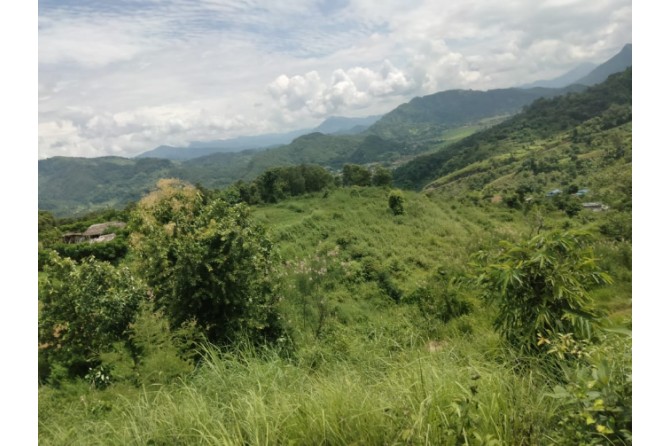
Landscape of the project site with fallow lands, potential for cultivation
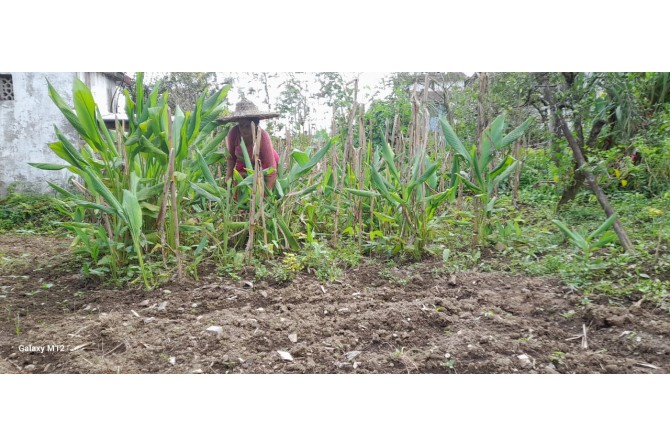
Turmeric cultivation primarily for home consumption
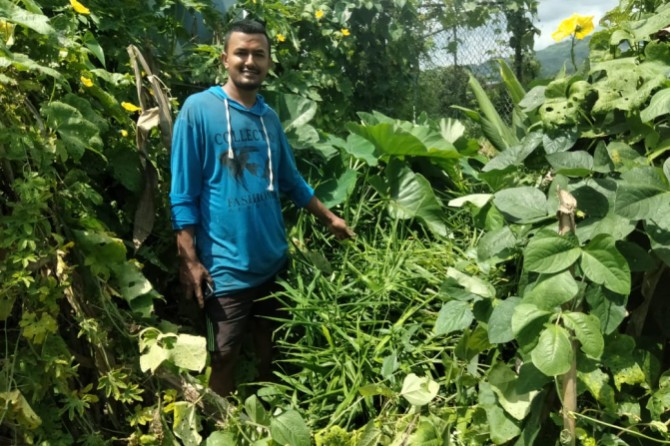
Ginger cultivation primarily for home consumption
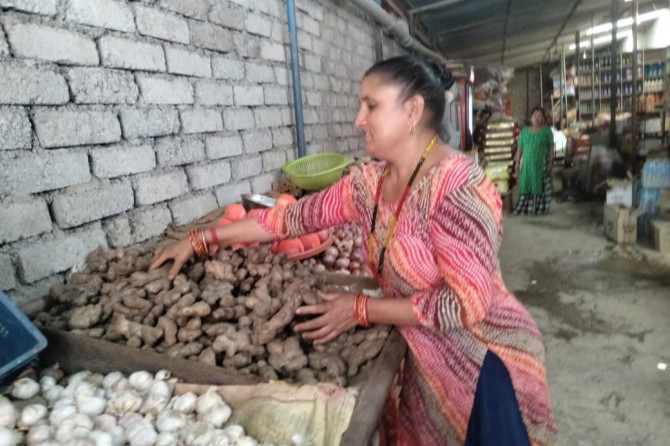
Local market to sell locally produced vegetables and spices (ginger and garlics)
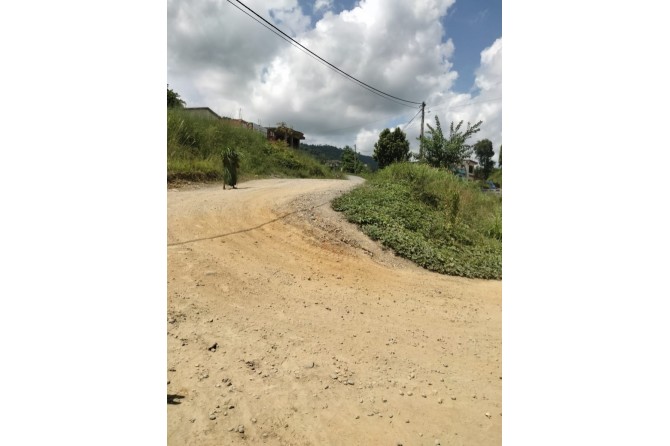
Gravel access road to the market

Landscape of the project site with fallow lands, potential for cultivation

Turmeric cultivation primarily for home consumption

Ginger cultivation primarily for home consumption

Local market to sell locally produced vegetables and spices (ginger and garlics)

Gravel access road to the market

1 / 20
Organisation :

Team Organizing Local Institution (TOLI)

Project period :

February 2026 - December 2027

Project type :

Community / field-based implementation

Landscape type :

Landscape

Kunming-Montreal Global Biodiversity Framework Targets :
  • Plan and Manage all Areas To Reduce Biodiversity Loss
  • Restore 30% of all Degraded Ecosystems
  • Halt Species Extinction, Protect Genetic Diversity, and Manage Human-Wildlife Conflicts
  • Reduce Pollution to Levels That Are Not Harmful to Biodiversity
  • Minimize the Impacts of Climate Change on Biodiversity and Build Resilience
  • Manage Wild Species Sustainably To Benefit People
  • Enhance Biodiversity and Sustainability in Agriculture, Aquaculture, Fisheries, and Forestry
  • Restore, Maintain and Enhance Nature’s Contributions to People
  • Integrate Biodiversity in Decision-Making at Every Level
  • Mobilize $200 Billion per Year for Biodiversity From all Sources, Including $30 Billion Through International Finance
  • Strengthen Capacity-Building, Technology Transfer, and Scientific and Technical Cooperation for Biodiversity
  • Ensure That Knowledge Is Available and Accessible To Guide Biodiversity Action
  • Ensure Participation in Decision-Making and Access to Justice and Information Related to Biodiversity for all
  • Ensure Gender Equality and a Gender-Responsive Approach for Biodiversity Action
More Detail
Sustainable Development Goals :
  • No poverty
  • Zero hunger
  • Good health and well-being
  • Gender equality
  • Decent work and economic growth
  • Reduced inequalities
  • Responsible consumption, production
  • Climate action
  • Life on land
  • Peace, justice and strong institutions
More Detail

Overview

Tanahun district, one of 77 districts of Nepal, is located in the middle of the country. This district plays an important role in linking Chitwan National Park in the lowland Terai with Annapurna Conservation and Makalu Conservation Area in the northern part of Nepal. This district includes several biodiversity significant areas that greatly contribute to the Chitwan Annapurna Landscapes. However, there are numerous threats to biodiversity conservation because of drought, landslides, forest fires, confrontations between humans and wildlife, floods, and haphazard road and infrastructure construction. The proposed project area is suitable for agricultural production. The climate is warm temperate, suitable for agriculture, including spice crops. The district market is connected with the largest and most populous cities of the country, namely Kathmandu, Pokhara, Bharatpur and Lalitpur. Agri-products, including spice crops from Tanahun district, play significant roles in the domestic market. However, due to low productivity, damage to crops by wildlife, low quality, post-harvest loss, and poor management of the market, neither small-holding producers nor market players are getting the potential benefits. On top of that, environmental problems and climate change are posing challenges to both biodiversity conservation and sustainable agriculture practices.
This project, therefore, aims to support landscape conservation and increase producers' incomes by strengthening the spice value chain and addressing biodiversity threats in the target area. It will convene awareness training on biodiversity conservation, forest restoration and pollution control; restore nature-based practices by prioritising indigenous knowledge; and build institutional capacity among producers for sustainable market supply of spices. Activities will be implemented jointly with local communities (community forest user groups, farmer groups, water user groups), cooperatives, the private sector, the Divisional Forest Office, and Myagde Rural Municipality.

  • (1) Training of the Community Forest User Groups (CFUGs) and farmer groups on sustainable management of forests
  • (2) Tree plantation in degraded community forests and private land
  • (3) Forest fire control
  • (4) Awareness training to CFUG members and farmer group members on the adverse impact of excessive chemical fertilisers and pesticide use, and actions to control pollution
  • (5) Nature-based spice cultivation training
  • (6) Establishment of community spice nurseries
  • (7) Post-harvest processing and establishing storage facilities
  • (8) Formation and strengthening of local farmer cooperatives
  • (9) Market linkage and branding initiatives
  • (10) Monitoring and evaluation
  • (11) Policy advocacy and engagement

Project location

Organisation

Team Organizing Local Institution (TOLI)
Sector
Non-government organization (NGO)
Country
Gandaki Province Nepal
Website/SNS
https:www.toli.org.np

Kunming-Montreal Global Biodiversity Framework Targets

Kunming-Montreal Global Biodiversity Framework Targets

  • Plan and Manage all Areas To Reduce Biodiversity Loss

  • Restore 30% of all Degraded Ecosystems

  • Halt Species Extinction, Protect Genetic Diversity, and Manage Human-Wildlife Conflicts

  • Reduce Pollution to Levels That Are Not Harmful to Biodiversity

  • Minimize the Impacts of Climate Change on Biodiversity and Build Resilience

  • Manage Wild Species Sustainably To Benefit People

  • Enhance Biodiversity and Sustainability in Agriculture, Aquaculture, Fisheries, and Forestry

  • Restore, Maintain and Enhance Nature’s Contributions to People

  • Integrate Biodiversity in Decision-Making at Every Level

  • Mobilize $200 Billion per Year for Biodiversity From all Sources, Including $30 Billion Through International Finance

  • Strengthen Capacity-Building, Technology Transfer, and Scientific and Technical Cooperation for Biodiversity

  • Ensure That Knowledge Is Available and Accessible To Guide Biodiversity Action

  • Ensure Participation in Decision-Making and Access to Justice and Information Related to Biodiversity for all

  • Ensure Gender Equality and a Gender-Responsive Approach for Biodiversity Action

Sustainable Development Goals

Sustainable Development Goals

  • No poverty

  • Zero hunger

  • Good health and well-being

  • Gender equality

  • Decent work and economic growth

  • Reduced inequalities

  • Responsible consumption, production

  • Climate action

  • Life on land

  • Peace, justice and strong institutions